


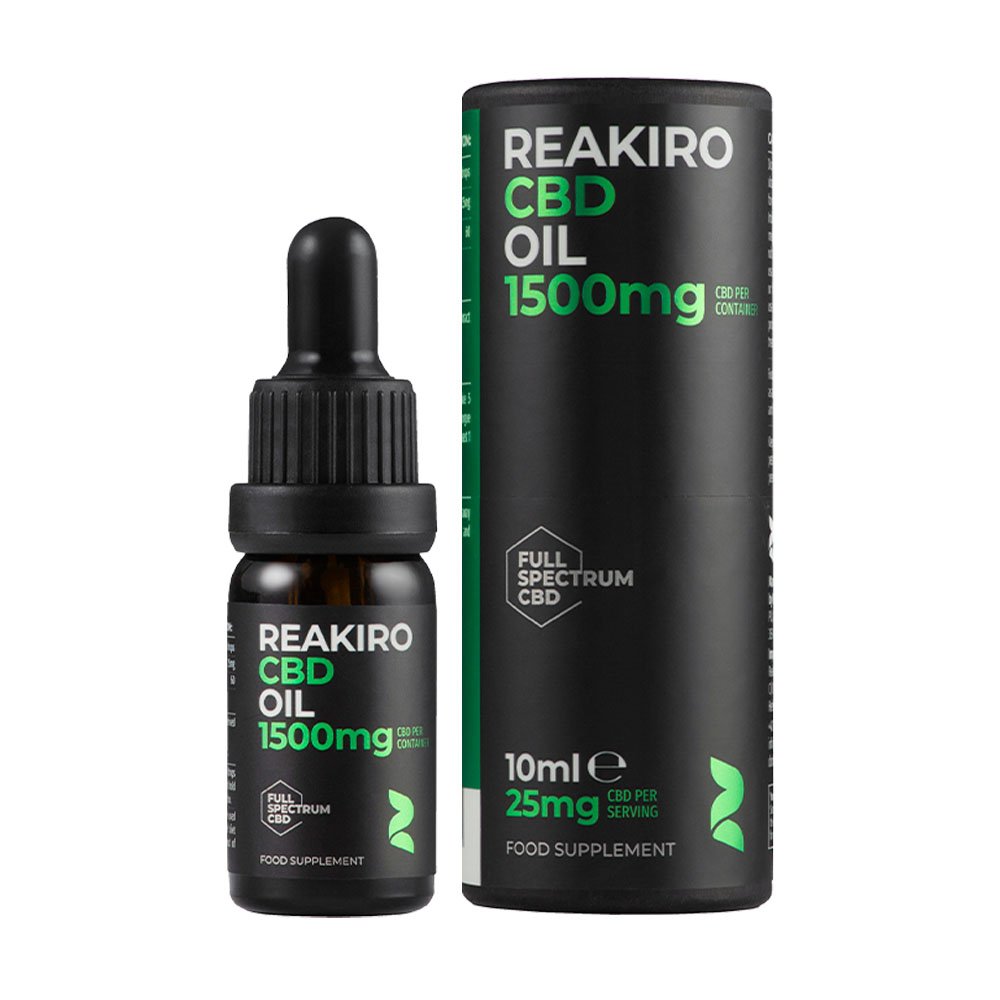


CBD oil is a liquid format supplied with a dropper, making it distinct from capsules, gummies or topical products. The dropper is designed for measured dispensing, while the bottle label provides the key details needed to identify the oil clearly.
Two descriptions that often appear on CBD oil labels are full spectrum and broad spectrum. They refer to the type of CBD extract used, but they do not automatically indicate that one oil is better than another. The difference is best understood alongside the rest of the product information.
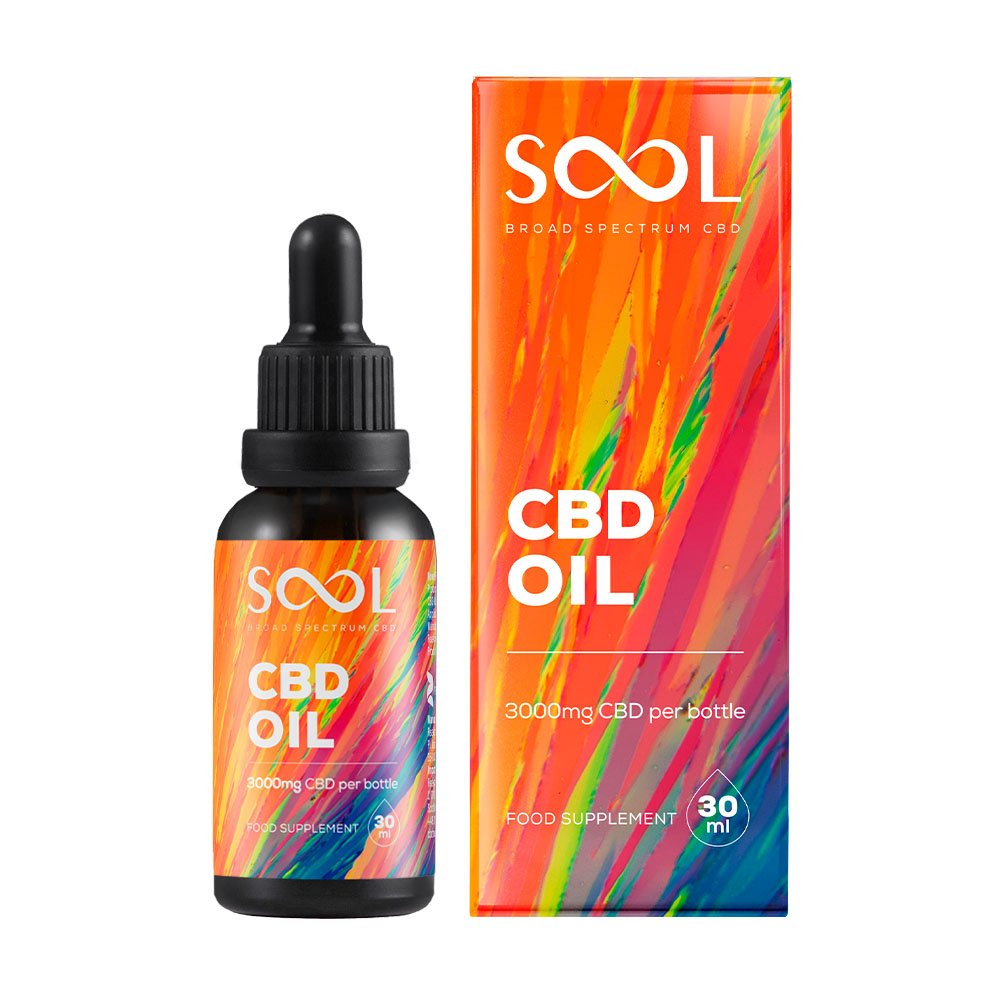
The Reakiro Full Spectrum and SOOL Broad Spectrum ranges offer useful examples because both include several CBD strengths. Their labels use percentages and total milligrams, figures that can look similar at first glance but answer different questions about an oil.
This guide unpacks those terms in practical language, from reading concentration and bottle size to using a dropper-format oil and comparing products carefully. The aim is to make the information on an oil bottle easier to interpret before deciding between formats.
Spectrum terms explained
Full spectrum and broad spectrum describe the profile of the CBD extract, not the strength of the finished oil. Full spectrum is used for an extract that retains a fuller range of naturally occurring cannabis compounds. Broad spectrum describes an extract containing CBD alongside a broader plant-compound profile, without relying on THC as part of that profile.
These labels should be read as format information rather than a quality ranking. The exact profile can differ between products, and the spectrum term does not explain the CBD concentration, bottle size or total CBD on its own. CBD4YOU oils are positioned as THC-free, with THC below the limit of quantification (LOQ) of 0.0025%.
Strength and total CBD
CBD oil labels commonly present two numbers: a percentage and a total amount in milligrams. The percentage indicates the concentration of CBD in the liquid. Total milligrams indicate the amount of CBD in the entire bottle, so it is useful to read both figures rather than treating them as alternatives.
In the Reakiro Full Spectrum range, 500mg/5%, 1000mg/10%, 1500mg/15% and 2000mg/20% each pair a total quantity with a concentration. The SOOL Broad Spectrum range likewise includes 500mg/5%, 1000mg/10% and 1500mg/15%. These figures make it possible to compare oils in a structured way without suggesting that a higher number is automatically preferable.
Bottle format matters
Bottle size adds another part to the comparison. SOOL also offers 3000mg of CBD at 10% in a larger bottle format. Its 10% concentration matches the 1000mg/10% option, while the larger format changes the total amount of CBD in the bottle.
This is why a percentage should not be used as a shortcut for total content, and a total milligram figure should not be used as a shortcut for concentration. Looking at spectrum type first, then percentage, total CBD and bottle format, gives each number its proper context.
Making the dropper routine
A CBD oil dropper is a practical format because it lets the user draw up liquid from the bottle rather than pour it. Before using a new oil, take a moment to identify the markings on its dropper, if present, and read the directions for that exact product. This is more reliable than carrying over a routine from a different strength or bottle.
Keeping the bottle and dropper together also reduces mix-ups when more than one oil is in use. Replace the cap after dispensing and avoid touching the dropper to surfaces or the mouth, which helps keep the applicator clean. If using an oil away from home, a small upright pouch can make the glass bottle easier to carry without confusing it with another product.
The routine itself does not need to be complicated. A consistent time and a quick look at the label can make it easier to recognise which format is being used, whether that is a Reakiro Full Spectrum oil or a SOOL Broad Spectrum oil. The stated directions remain the appropriate reference point.
THC-free focus
Carefully selected products with a clear THC-free positioning and straightforward product information.
Selected European suppliers
We work with selected European suppliers and established brands with documented product information.
Clear and practical information
Simple guidance about product formats, ingredients and everyday use without unnecessary marketing language.
Shop CBD4YOU
Explore our current CBD range and find the product format that best fits your everyday routine.
Good to know
- Use the dropper supplied with the bottle rather than substituting one from another oil.
- Keep the outer packaging until you have noted the exact product name and format.
- Compare like with like: make sure figures belong to the same spectrum and bottle format.
- “10%” is a concentration, not a universal measure of the total CBD in a bottle.
- Before travelling, check the rules for CBD products at your destination and with your carrier.
- If you use medicines or have questions about CBD, seek advice from an appropriate healthcare professional.
Reading an oil label
The front label is a useful starting point, but an informed comparison means reading each figure for its specific purpose. The product name identifies the oil, while the spectrum description tells you whether it is presented as full spectrum or broad spectrum. Neither term replaces the need to look at the rest of the product information.
Next, separate the CBD percentage from the total CBD. A 10% oil describes the concentration of CBD in the liquid; the total milligram figure describes how much CBD is in the complete bottle. This distinction matters when bottle formats differ, because two oils can share a percentage while containing different total amounts.
The SOOL Broad Spectrum range makes this particularly clear. Alongside 500mg/5%, 1000mg/10% and 1500mg/15% formats, it includes a 3000mg/10% oil in a larger bottle format. Comparing only the 10% figure would miss the difference in total CBD and bottle size. Conversely, comparing only 3000mg with a smaller bottle would not show concentration.
It is also worth making sure that the details being compared belong to the same product variant. Names, spectrum terms, percentages and total milligrams should all match the bottle in hand. Product documentation can provide further confirmation of the listed format and figures, particularly when a retailer offers several similar-looking oils.
A clear label does not tell someone which strength to choose; it simply gives them a consistent basis for comparison. Once the spectrum, concentration, total CBD and bottle format are understood, the product directions provide the next practical point of reference.
Related products
Comparing without assumptions
It is easy to treat a larger milligram number as the deciding factor, but this can blur two separate choices: concentration and bottle capacity. A 2000mg/20% Reakiro Full Spectrum oil and a 3000mg/10% SOOL Broad Spectrum oil illustrate the point. One is listed at a higher concentration, while the other has more CBD across a larger bottle format.
Neither description tells the whole story on its own. Someone comparing these formats can first decide whether full spectrum or broad spectrum is the extract category they wish to explore, then compare the bottle figures within that category. This avoids treating spectrum, percentage and total CBD as if they are interchangeable.
Practical preferences also matter. Some readers may prefer to compare oils with the same percentage because the concentration is familiar, while others may want to consider how much CBD is listed for the whole bottle. These are comparison methods, not rules about which format is superior.
A simple note of the product name, spectrum, percentage, total CBD and bottle size can be more useful than relying on memory or a front-label number alone. It creates a clear record when looking across several oils and keeps the decision focused on documented information rather than assumptions.
Frequently asked questions
What is the practical difference between full spectrum and broad spectrum CBD oil?
Full spectrum and broad spectrum are different descriptions of the CBD extract used in an oil. Full spectrum refers to a fuller plant-compound profile, while broad spectrum refers to a profile designed to contain a range of cannabis-derived compounds without relying on THC. The exact composition can vary, so the individual product information remains the best comparison point.
Does a higher CBD percentage always mean a better oil?
No, a higher percentage does not automatically make an oil better. It indicates a more concentrated CBD oil, which may be useful for someone comparing the amount of CBD in a given volume. Spectrum type, bottle size, total CBD and the stated directions are separate factors, and each should be considered alongside the percentage.
Why should total CBD and bottle size be read together?
Total CBD and bottle size explain different parts of the product. Total milligrams show the CBD in the whole bottle, while the percentage shows its concentration in the liquid. A larger bottle can therefore contain more CBD overall without having a higher concentration, as illustrated by SOOL’s 3000mg 10% broad spectrum format.
What does the percentage on a CBD oil label mean?
The percentage indicates the concentration of CBD in the oil rather than the total quantity in the bottle. For example, 5%, 10%, 15% and 20% describe different concentrations. To make a meaningful comparison, read that figure alongside the total CBD in milligrams and the bottle volume shown on the label.
How is a dropper-format CBD oil used?
A dropper-format oil is used by drawing up the amount stated on the product directions and dispensing it as directed. The dropper makes it easier to handle a liquid format than pouring directly from the bottle. Avoid estimating an amount from another oil, as bottle sizes and label instructions can differ between products.
Which details matter most when comparing two CBD oils?
Start with the spectrum type, CBD percentage, total CBD and bottle size. Then compare the product name, stated directions and any documented product information available for that exact oil. This approach helps distinguish a more concentrated small bottle from a larger format with more total CBD, without assuming either is the right choice for everyone.
Are CBD4YOU oils THC-free?
CBD4YOU oils are positioned as THC-free, with THC below the limit of quantification (LOQ) of 0.0025%. This wording is more precise than treating THC-free as a percentage claim. Readers who need specific information for work, travel or personal reasons should review the details for the exact product they are considering.
What strengths are available in the Reakiro Full Spectrum range?
The Reakiro Full Spectrum range includes 500mg/5%, 1000mg/10%, 1500mg/15% and 2000mg/20% CBD oils. These options provide a clear progression in both total CBD and concentration. The figures describe the format of each oil rather than a ranking of quality or a promise of a particular outcome.
How does the SOOL 3000mg broad spectrum oil compare with the other SOOL oils?
The SOOL 3000mg Broad Spectrum oil is listed as a 10% CBD oil in a larger bottle format. Its total CBD is higher than the 500mg, 1000mg and 1500mg SOOL options, but its concentration remains 10%. It is a useful example of why total milligrams and percentage should not be treated as the same measurement.
Should I follow the directions on the individual bottle?
Yes, the directions on the individual bottle should guide practical use. Oils can differ in concentration and bottle format, so directions should not be transferred from one product to another. Reading the label before use also helps confirm the exact spectrum type, total CBD and other product-specific information relevant to that bottle.
Key takeaways
Full spectrum and broad spectrum identify different CBD extract formats, rather than a simple scale from lower to higher quality. The Reakiro Full Spectrum and SOOL Broad Spectrum ranges show why it is useful to begin with the spectrum named on the bottle, then consider the concentration and total CBD separately.
A percentage describes the concentration in the liquid, while total milligrams describe the CBD in the whole bottle. Larger formats can change total CBD without changing the percentage, so both figures matter. A dropper makes liquid oils straightforward to dispense, but the directions on the individual label should always guide use.
Comparing oils carefully means looking beyond the largest number on the front of the pack. Review the exact product label and documented information, then choose a format that makes sense for your own practical preferences.
These products are not intended to diagnose, treat, cure, or prevent any disease. Results may vary. If you are taking medication, pregnant, or breastfeeding, please consult your doctor before use. These products contain less than 0.2% THC and are in compliance with current EU legislation.