


Placement and layering
Skincare routines often move from lighter, water-based products towards richer textures. Cleansers are rinsed away, while toners, essences and serums are typically applied before leave-on creams or oils. A facial oil therefore usually belongs near the end of the routine, where it can sit as the final oil-based layer.
SOOL Facial Oil Renew & Protect is a 30ml broad-spectrum CBD facial oil containing 300mg CBD. Its stated directions are specific: pat 2–3 drops over the face and neck at the end of a skincare routine. Using the directed amount first is a straightforward way to get a sense of the formula’s finish before deciding how it fits with other products.
Patting a small amount across the face and neck is different from using a cleanser or a mist, which are designed for other stages of a routine. There is no need to treat facial oil as a stand-alone regime; it can simply be one finishing product among familiar steps. If using it in the morning, any sunscreen should remain a separate, dedicated product applied according to its own directions.
Inside an oil blend
A facial oil can contain several components, and names on the ingredient list give a useful picture of the formula’s character without predicting an identical experience for every user. In this example, apricot kernel oil, cucumber seed oil, hemp seed oil, macadamia seed oil and oat kernel oil form part of the botanical mix. Squalane is also listed, together with bakuchiol and other botanical ingredients.
These ingredients should be read as parts of one cosmetic formula rather than as isolated promises. The feel, spread and finish of an oil reflect the blend as a whole, as well as the amount applied and the products beneath it. Someone who prefers a minimal routine may use an oil differently from someone who already layers a serum and moisturiser.
CBD is one component of the formula, not a reason to overlook the rest of the ingredient list. Broad-spectrum is a description of the CBD extract type; it does not define the oil’s texture or guarantee a particular cosmetic outcome. For anyone with known ingredient sensitivities, the complete packaging information is the most relevant reference before adding a new leave-on product.
Texture in daily use
Oil texture is a matter of preference as much as routine design. Some people like a more cushioned final layer in the evening, while others prefer to use a small amount before daytime makeup. Neither approach is inherently better; the practical question is whether the finish works with the products and timing already in place.
Applying too much oil can make it harder to judge whether the formula itself suits your preferred finish. Starting with the stated 2–3 drops and taking a moment to let it settle gives a clearer impression than immediately adding more. Avoiding direct mixing with another product also keeps the application more consistent from one use to the next.
With any new facial product, it is reasonable to introduce it thoughtfully rather than changing an entire routine at once. A small patch test is a useful precaution, especially with a formula containing several botanical ingredients. This is not a test of product performance, but a simple way to check personal compatibility before regular facial use.
CBD facial oil is a leave-on skincare format that combines a CBD extract with an oil-based botanical blend. Its place in a routine is primarily about texture and layering: it is commonly used after lighter products, when an oil finish makes sense for the individual routine. This article looks at how that format differs from creams and serums, and how to approach it without expecting guaranteed skincare results.
Facial oils tend to feel more emollient than water-based serums, although the finish varies with the formula and the amount used. SOOL Facial Oil Renew & Protect is an example of a broad-spectrum CBD facial oil with a blend of plant-derived oils and other botanical ingredients. The formula includes apricot kernel oil, squalane, cucumber seed oil, hemp seed oil, macadamia seed oil, oat kernel oil and bakuchiol.
As with any leave-on cosmetic, the most useful approach is to consider the full ingredient list, the product directions and how the texture works with the rest of your routine. The following sections cover application order, ingredient context and practical choices around using a facial oil at home or when travelling.
Introducing an oil gradually
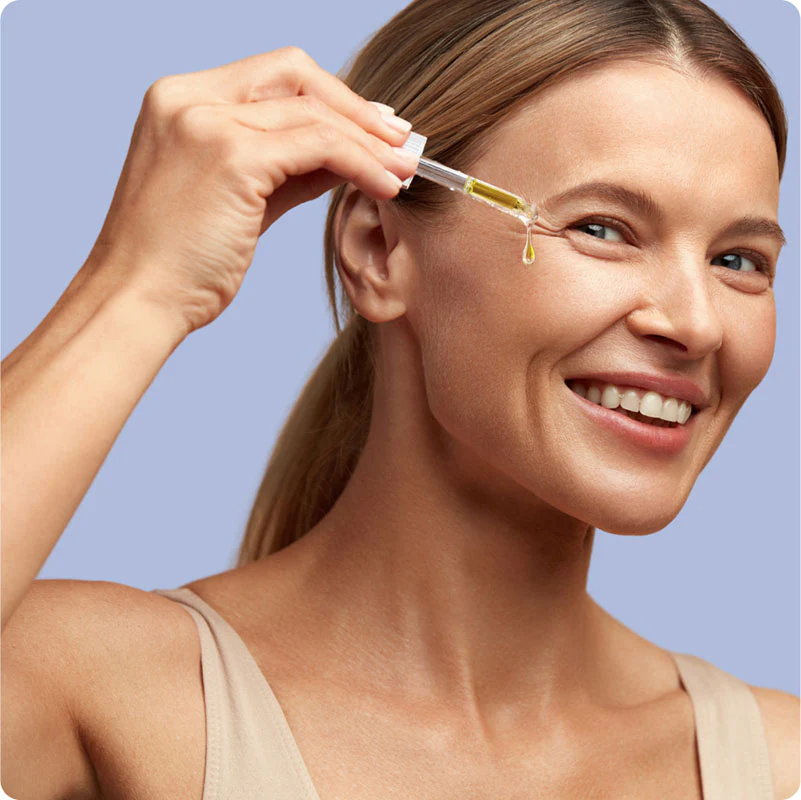
A facial oil is easiest to assess when it is introduced as one clear change to an otherwise familiar routine. Rather than combining it with several new products at once, use it alongside the cleanser, moisturiser or makeup you already know. This makes the texture and finish easier to judge in day-to-day use.
Apply the oil as its own final skincare step, following the stated directions, instead of blending it into a cream or serum in your hand. Keeping products separate gives each formula a more consistent application and avoids making the routine needlessly complicated. If you wear makeup, allowing the oil a little time to settle before the next step can help you see how the combination feels.
SOOL Facial Oil Renew & Protect is supplied with directions to pat the oil over the face and neck. A light patting motion can be a practical way to distribute a small amount without overworking the skin. For a first use, it is also sensible to patch test a multi-botanical leave-on product and to consult the complete on-pack ingredient list if you have known sensitivities.
THC-free focus
Carefully selected products with a clear THC-free positioning and straightforward product information.
Selected European suppliers
We work with selected European suppliers and established brands with documented product information.
Clear and practical information
Simple guidance about product formats, ingredients and everyday use without unnecessary marketing language.
Shop CBD4YOU
Explore our current CBD range and find the product format that best fits your everyday routine.
Good to know
- Patch test a new multi-botanical leave-on product on a small, discreet area before regular facial use.
- Facial oil is not sunscreen; apply any SPF as a separate step and follow its own directions.
- A 30ml bottle falls below the common 100ml cabin-liquid limit, but check the rules for your specific journey.
- Broad-spectrum describes the CBD extract type, not a guaranteed cosmetic result or skin response.
- Use the complete ingredient list on the packaging when checking for ingredients you already know you avoid.
- Keep facial oil away from the eyes and discontinue use if you experience an unwanted reaction.
Oil and cream compared
Facial oils and moisturisers can appear to occupy the same place in a bathroom cabinet, but they are different formats. A moisturiser is usually a cream, lotion or gel-cream designed as a complete step in its own right, while a facial oil is an oil-based finishing layer. A routine may include one or both, depending on the textures a person prefers and the other products already being used.
The distinction matters when deciding on application order. Lighter, water-based formulas are generally applied before richer oil textures, which is why facial oil is commonly placed after serum or moisturiser rather than before them. This is a practical layering convention, not a rule that every routine must contain every category.
An oil can also make a routine feel more flexible. On an evening when a simple finish is preferred, it may be the last step after cleansing and any chosen treatment or serum. On another occasion, a person may decide that their moisturiser alone gives the texture they want. Trying one arrangement at a time is more informative than changing several variables together.
Morning routines need one further distinction: facial oil is not a sun-protection product. If sunscreen is part of your routine, apply it separately and follow the instructions on that sunscreen for amount, coverage and reapplication. Mixing an oil directly into sunscreen is not a reliable way to apply either product evenly.
This comparison also helps set realistic expectations. The presence of CBD or plant oils does not make a facial oil interchangeable with every cream, serum or sunscreen. It is best understood as a cosmetic texture choice within a routine, with the individual label and ingredient list guiding whether it is a practical fit.
Related products
Reading cosmetic ingredients
An ingredient list is more useful when it is treated as a practical reference rather than a list of promises. It can help you identify familiar ingredients, compare formulas and avoid substances you already know do not suit you. For a botanical facial oil, this is especially relevant because several plant-derived ingredients may appear in the same formula.
Common names can make a list easier to recognise, but the full packaging list remains the clearest place to check the exact formula. With SOOL Facial Oil Renew & Protect, the documented blend includes oils from apricot kernel, cucumber seed, hemp seed, macadamia seed and oat kernel, as well as squalane and bakuchiol. These names describe ingredients present in the product; they should not be taken as a guarantee of a particular skin result.
Bakuchiol is often a name readers notice when scanning cosmetic products, but it is still important to assess it in the context of the full formula. A person’s preference may be based on texture, scent, their existing routine or prior experience with an ingredient, rather than a single highlighted component. This is one reason a complete list is more informative than focusing only on a product’s featured ingredients.
If you use several leave-on products, introducing one at a time keeps the routine easier to understand. It also avoids confusion about which new formula may be responsible if the texture proves unsuitable or an unwanted reaction occurs. A careful read of the label, a patch test and a simple routine provide a measured starting point for any new facial oil.
Frequently asked questions
Where does a CBD facial oil go in a skincare routine?
A CBD facial oil is usually used as the final leave-on step after cleanser and any water-based products. This order allows lighter formulas to be applied first, followed by the oil-based finish. In a morning routine, follow the directions for any sunscreen you use rather than treating facial oil as a replacement for it.
How should SOOL Facial Oil Renew & Protect be applied?
The stated directions are to pat 2–3 drops over the face and neck at the end of a skincare routine. Patting rather than vigorous rubbing can make application more controlled. The amount is a starting point, so it is sensible to follow the product directions and adjust only within your usual skincare approach.
What does broad-spectrum CBD mean in a facial oil?
Broad-spectrum describes the type of hemp extract used in the formula. It is a label term relating to the extract rather than a promise about how the product will feel on the skin or what results it will provide. It is best considered alongside the full ingredient list and the intended cosmetic use of the oil.
Is THC relevant when choosing a CBD skincare product?
THC information can be useful for readers who want to understand a CBD product’s positioning. CBD4YOU products are positioned as THC-free, with THC below the limit of quantification (LOQ) of 0.0025%. This statement concerns the product specification and does not change the need to use a facial oil according to its label directions.
Can facial oil replace a moisturiser?
Not necessarily, because facial oils and moisturisers are different skincare formats. A moisturiser is often used as a separate cream or lotion step, while an oil is commonly used as a finishing layer. Some routines include both, whereas others are kept simpler according to personal texture preferences and the products already in use.
Should facial oil be used before sunscreen?
Facial oil should not be viewed as a substitute for sunscreen. If you use sunscreen in the morning, follow its own application instructions and ensure it is applied as an even, dedicated layer. Keeping the two products as separate steps makes it easier to use each one in the way its label intends.
Which botanical ingredients are in SOOL Facial Oil Renew & Protect?
The listed ingredients include apricot kernel oil, squalane, cucumber seed oil, hemp seed oil, macadamia seed oil, oat kernel oil and bakuchiol, alongside other botanical ingredients. The product is a 30ml broad-spectrum CBD facial oil containing 300mg CBD. For the most complete and current information, consult the ingredient list on the individual product packaging.
Why is a patch test sensible for a botanical facial oil?
A patch test is a practical precaution when introducing any new leave-on cosmetic, particularly one containing several botanical ingredients. Apply a small amount to a discreet area and allow time to observe how your skin responds. If you know you react to an ingredient, avoid the product and consider seeking personalised advice from a qualified professional.
Will a facial oil work underneath makeup?
It can be included before makeup, but the finish depends on the oil, the amount used and the complexion products that follow. Allow the oil to settle before applying makeup, and use a restrained amount if you prefer a lighter finish. Testing the combination at home can help you decide whether it suits your usual routine.
Is a 30ml facial oil convenient for travel?
A 30ml bottle is below the common 100ml limit used for cabin-liquid containers, which may make it convenient for many journeys. Airline and airport rules can vary, however, so check the requirements for your specific trip. Keep the product closed securely and refer to its packaging for any handling information.
Key takeaways
CBD facial oil is a leave-on skincare format that combines a CBD extract with an oil-based botanical blend. Its place in a routine is primarily about texture and layering: it is commonly used after lighter products, when an oil finish makes sense for the individual routine. This article looks at how that format differs from creams and serums, and how to approach it without expecting guaranteed skincare results.
Facial oils tend to feel more emollient than water-based serums, although the finish varies with the formula and the amount used. SOOL Facial Oil Renew & Protect is an example of a broad-spectrum CBD facial oil with a blend of plant-derived oils and other botanical ingredients. The formula includes apricot kernel oil, squalane, cucumber seed oil, hemp seed oil, macadamia seed oil, oat kernel oil and bakuchiol.
As with any leave-on cosmetic, the most useful approach is to consider the full ingredient list, the product directions and how the texture works with the rest of your routine. The following sections cover application order, ingredient context and practical choices around using a facial oil at home or when travelling.
These products are not intended to diagnose, treat, cure, or prevent any disease. Results may vary. If you are taking medication, pregnant, or breastfeeding, please consult your doctor before use. These products contain less than 0.2% THC and are in compliance with current EU legislation.